Carbon Credits 101 for Biogas: Turning Clean Energy into Climate Value
What Are Carbon Credits — and Why Do They Matter?
As the world works to reduce climate change, governments, businesses, and organizations are searching for ways to lower greenhouse gas emissions.
One important tool helping make this possible is the carbon credit system.
But what exactly are carbon credits?
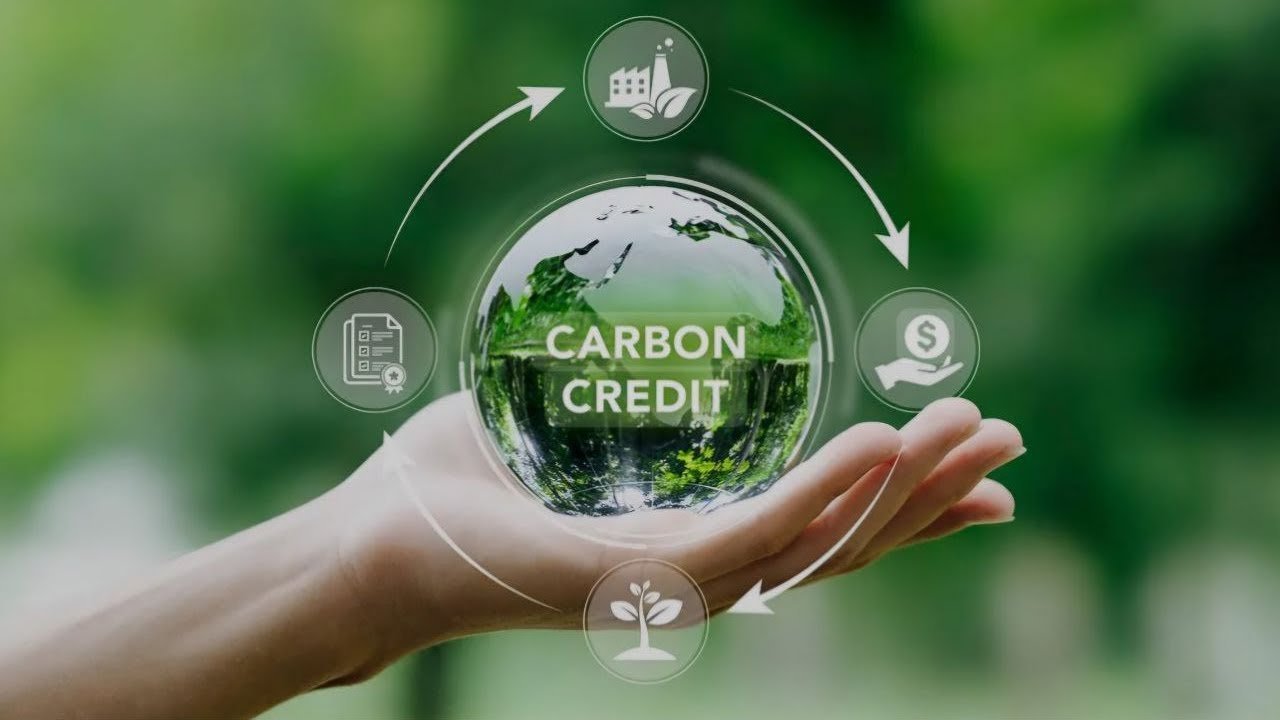
Simply put, a carbon credit is a measurable unit representing the reduction or removal of greenhouse gas emissions from the atmosphere.
One carbon credit generally equals:
One metric ton of carbon dioxide (CO₂) reduced or avoided.
When a project prevents emissions that would otherwise happen — such as replacing charcoal with clean biogas — it may qualify to generate carbon credits.
These credits can then be sold in carbon markets, helping renewable energy projects generate additional funding.
For emerging clean energy companies, carbon credits can become a powerful financial opportunity.
How Biogas Helps Reduce Carbon Emissions
Biogas systems are uniquely positioned to support carbon reduction in several ways.
1. Reducing Charcoal and Firewood Use
In many countries, including Liberia, households depend heavily on charcoal and firewood for cooking.
This contributes to:
- Deforestation
- Carbon emissions from burning biomass
- Indoor air pollution
When households switch to biogas, fewer trees are cut down and less carbon is released into the atmosphere.
This avoided pollution can potentially contribute to carbon credit generation.
2. Capturing Methane Emissions
Organic waste naturally releases methane when left to decompose openly.
Methane is a powerful greenhouse gas that traps significantly more heat than carbon dioxide over time.
Biogas systems capture methane and use it productively as fuel instead of allowing it to escape into the atmosphere.
This creates an important climate benefit.
Waste becomes energy instead of pollution.
3. Replacing Fossil Fuels
Biogas can reduce dependence on diesel, kerosene, and other carbon-intensive fuels used for cooking, heating, or power generation.
The cleaner the energy replacement, the greater the potential environmental impact.
How Carbon Credits Work in Practice
Here is a simple way to understand the process.
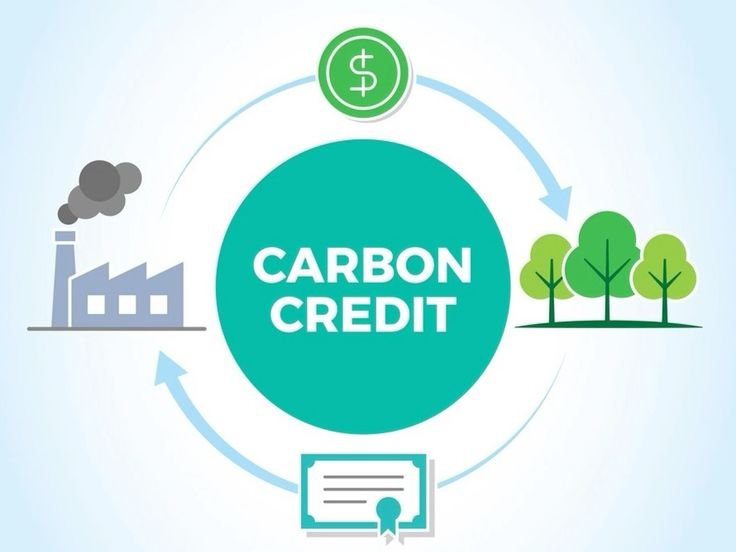
Step 1: Build a Climate-Friendly Project
A renewable energy project — such as a biogas installation — is developed.
The project must demonstrate measurable environmental benefits.
Step 2: Measure Emissions Reduction
Experts estimate how much carbon pollution the project avoids.
For example:
If households stop using charcoal because they now cook with biogas, those avoided emissions may be counted.
Step 3: Verification
Independent organizations review and verify the project’s environmental impact.
This ensures the carbon reductions are real, measurable, and credible.
Step 4: Credit Issuance
Verified reductions may then be converted into carbon credits.
These credits can potentially be sold to organizations seeking to offset emissions or meet sustainability goals.
Why Carbon Credits Matter for Biogas in Liberia
For countries like Liberia, carbon finance could help unlock clean energy growth.
Many renewable energy projects struggle because upfront infrastructure costs can be high.
Carbon credits may help create an additional revenue stream that supports:
- Community energy projects
- Household clean cooking systems
- Rural renewable energy expansion
- Climate resilience programs
- Sustainable agriculture initiatives
This could make clean energy solutions more affordable and accessible.
Why Timing Matters
Global demand for climate solutions continues to grow.
Governments, international organizations, and private companies are investing billions into sustainability and emissions reduction efforts.
Africa’s clean energy sector is increasingly attracting attention because many countries still have opportunities to leapfrog older, polluting systems.
For Liberia, this presents an important opportunity.
Biogas projects that reduce charcoal dependence and manage waste responsibly may be well-positioned to participate in climate-financing ecosystems in the future.
Important Reality: Carbon Credits Are Not Automatic
It is important to understand that not every renewable energy project automatically generates carbon credits.
Projects often require:
- Detailed emissions data
- Monitoring systems
- Verification processes
- Compliance with carbon standards
- Long-term reporting
Success depends on proper project design and implementation.
This is why planning matters from the beginning.
The Bigger Picture
Carbon credits are not just about environmental accounting.
They represent a way to connect climate action with economic opportunity.
For biogas systems, this means the possibility of creating value in multiple ways:
Cleaner energy.
Healthier communities.
Reduced deforestation.
Better waste management.
Potential climate finance.
When designed well, one renewable energy system can deliver benefits far beyond energy alone.
Looking Ahead
At Grain Coast Renewable Energies, we believe Liberia has an opportunity to become part of the global clean energy transition.
Biogas is more than a local energy solution — it is part of a broader climate future that values sustainability, resilience, and innovation.
As awareness of renewable energy grows, carbon financing may become one of the tools helping accelerate Liberia’s clean energy transformation.
Because building a greener future should also create economic opportunity.
Powering Liberia's clean future through biogas systems that turn organic waste into reliable energy and organic fertilizer.
© 2026 Grain Coast Renewable Energies. All rights reserved.